
Resources Suggested Reading
Over the years, these are the books I keep coming back to in my work and my own thinking. Each one has shaped how I understand relationships, families, trauma, and what it takes to change. I hope they offer you something useful too.
This page contains affiliate links. If you purchase a book through one of these links, I may earn a small commission at no extra cost to you.
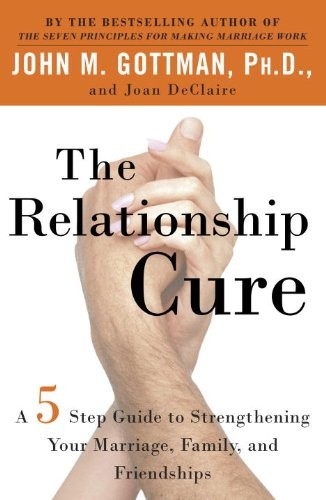
The Relationship Cure
Over my years of practising therapy, this is one of the books I keep coming back to. Not because it tells me anything I do not already see in the room with clients, but because Gottman puts language to something that so many people struggle to name: why connection breaks down, and what it actually takes to rebuild it.
The whole book rests on one idea. Every relationship, whether it is with a partner, a child, a friend, or a colleague, depends on emotional connection. And that connection is built or lost in the smallest moments. Gottman calls these moments “bids.” A bid is any attempt to reach out to another person. It could be a question, a look, a touch, even a sigh. What matters is what happens next. Do you turn towards it, turn away, or shut it down? His research shows that it is not the big romantic gestures or the difficult conversations that predict whether a relationship will last. It is what happens when your partner says “I’m tired” and you either make them a cup of tea or carry on scrolling your phone.
That is what I see in my therapy room all the time. Couples who have stopped noticing each other’s bids. Friends who feel unseen. Parents and adult children who love each other but cannot seem to connect. This book helps people understand what is going on underneath all of that.
Gottman also talks about seven emotional “command systems” in the brain that shape how we relate to others. Our need for safety, for play, for closeness, for exploration. When you understand which systems are running high or low in yourself and in the people you love, a lot of confusing behaviour starts to make sense.
The part I find most useful in my work is what he says about emotional legacy. How we were responded to as children, what our family taught us about feelings, and the wounds we still carry. All of that shows up in how we bid and how we respond to other people’s bids, often without us realising it. I see this every week. Someone who flinches at “we need to talk” because of what those words meant in their childhood. Someone who bids with anger because they never learned another way. Once a client can see that pattern, something shifts.
He is honest about why this is hard, too. We hide what we need. We assume the other person should just know. We get it wrong and then feel too ashamed to try again. Gottman breaks all of this down, including the nonverbal stuff. The facial expressions, the body language, the things people say without opening their mouths. He encourages you to become curious about the people around you, and I think that curiosity is where real connection starts.
The last thing he brings in is shared meaning. Connection needs common ground, and that includes being able to disagree without it destroying everything. He makes the point that conflict is not the opposite of closeness. It is part of it. When two people can say “this is what that meant to me” and actually hear each other, that is when things change.
What I love about this book is that it is practical. It is not just theory. The small rituals he talks about, making time for each other, the cup of tea after work, the Friday night routine, those things matter. They are how you show someone they are important to you, not once, but every day.
Who would I recommend this to?
I recommend this to clients who feel emotionally distant from the people they care about and cannot quite work out why. It is also good for anyone who keeps having the same arguments or feels like they are speaking a different language to their partner. If you recognise yourself in any of that, this book will help.
When is a good time to read it?
When you are ready to be honest with yourself about your part in a relationship. It sits well alongside therapy, especially if you are working on attachment, communication, or emotional regulation. It is also a book worth picking up during times of change, becoming a parent, starting something new, or trying to repair something that has gone quiet. The exercises are straightforward and usable. This is a book for people who want to do something different, not just understand why things went wrong.
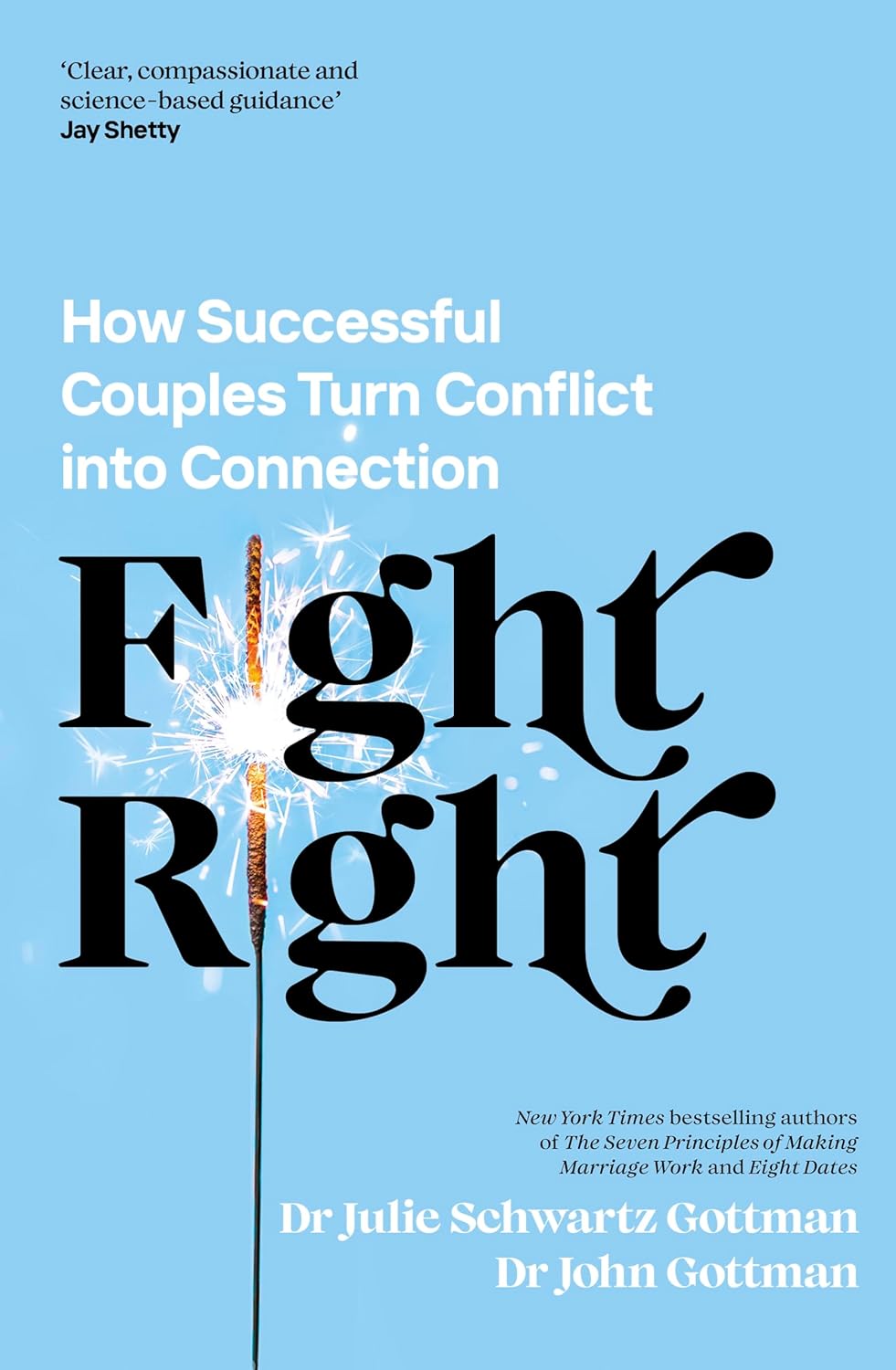
Fight Right
This is a book I wish more of my clients would read before they decide their relationship is broken. Over the years, I have sat with so many couples who believe that fighting means something has gone wrong. That if they really loved each other, they would not argue. Julie Gottman turns that idea on its head. Conflict is not the opposite of love. It is part of it. The question is not whether you fight, but how.
As a therapist, when a couple walks through my door and tells me they have had numerous conflicts, it actually builds my confidence. It tells me they know how to argue and repair. It tells me they trust each other enough to have differences and still feel loved in those differences. It is the couples who come in and have not had conflict that makes me curious. When there has been no disagreement, you are never quite sure how the couple will respond when conflict does arrive.
The truth is, most of us were never taught how to argue well. Some of us grew up watching our parents tear strips off each other. Others grew up in houses where conflict happened behind closed doors, or not at all. Either way, we learned that fighting is something to fear or avoid. And we carry that into our adult relationships without even realising it.
What I see in my therapy room, again and again, is couples who have stopped being honest with each other because they are terrified of what honesty might start. Needs go unspoken. Small resentments pile up. And then one day, a pile of dirty dishes or an unpaid bill becomes the thing that blows the roof off. Not because of the dishes. Because of everything that was never said.
Julie Gottman is very clear about this. The first three minutes of a conflict can predict where the whole thing ends up. If you start with criticism, blame, or a backlog of repressed resentments, you are already on the wrong track. She encourages couples to talk about themselves, not about each other’s flaws. To say “this is how I felt” rather than “you always do this.”
She also writes brilliantly about flooding. That moment when your body takes over: your jaw tightens, your heart races, your thoughts start spinning. When you are flooded, you cannot think clearly, let alone argue fairly. The smartest thing you can do is stop. Say “I need twenty minutes” and walk away. Not to plot your comeback, but to calm down. Then come back and try again.
What sits underneath most arguments is not what couples think. It is rarely about the forgotten birthday or who does more housework. It is about dreams, childhood experiences, values, old wounds that never healed. One person grew up where gifts meant love. The other grew up where spending money felt dangerous. Neither is wrong. But if you do not talk about what is driving your reactions, you will keep having the same fight forever.
I know from my own experience that having been through difficult things can sharpen your ability to hear what someone else is going through. My own negative experiences have heightened my levels of empathy, and I think that awareness is something that strengthens the work I do with clients. It is also something this book encourages in all of us: the willingness to sit with someone else’s reality, even when it is different from your own.
Julie Gottman also talks about compromise in a way I find refreshing. She asks couples to map out where they are flexible and where they are not. Then compare notes and build a solution from the areas where there is room to move. It sounds simple, but most couples have never actually done it.
The Zeigarnik effect comes up too, the idea that unfinished business sticks in our minds more than anything resolved. That fight you never processed? It is still there, shaping how you see your partner. She encourages couples to go back and talk through old conflicts, not to reopen wounds, but to finally close them. Share how you felt. Describe your reality. Admit your part in it. Then work out what to do differently next time.
Who would I recommend this to?
Couples who are stuck in a cycle of the same arguments. Anyone who avoids conflict because they are afraid of what it will do to their relationship. And anyone who grew up believing that love should be easy and is now wondering why it is not. This book will not make your fights disappear, but it will help you fight in a way that brings you closer instead of pushing you apart.
When is a good time to read it?
When you are in the middle of it. When things feel hard and you are not sure whether to stay or go. It also works well at the start of a relationship, before patterns set in. And it pairs well with couples therapy. If you are already doing the work in the room, this book will give you something practical to take home with you. I would also say, if you have ever walked away from a fight feeling like you lost yourself in it, this is the book to pick up next.
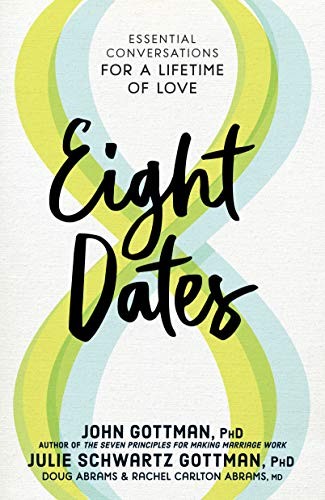
Eight Dates
I have recommended this book to more couples than I can count. It is one of those rare books that gives people something they can actually do, not just think about. The Gottmans have taken decades of research and distilled it into something beautifully simple: eight conversations that every couple needs to have.
The premise is straightforward. Most relationships do not fall apart because of one big betrayal or one terrible argument. They fall apart because couples stop talking about the things that matter. They get busy. Life takes over. And slowly, without anyone noticing, the emotional connection that held everything together starts to thin out.
What I love about this book is that it names the conversations most couples avoid. Trust. Conflict. Sex. Money. Family. Fun. Growth. Dreams. These are not easy topics, and most people dance around them for years, sometimes decades. Then they sit in my therapy room wondering why they feel like strangers to the person sleeping next to them.
The Gottmans structure each conversation as a date. Not a formal sit-down interview, but a real, intentional evening together. They even suggest locations. Want to talk about trust? Go somewhere that reminds you of when you first fell in love. Talking about family? Go to a park where children are playing. It sounds simple, but there is something powerful about changing your setting when you are trying to change a conversation.
The conflict date is one I come back to a lot in my work. So many couples believe that fighting means they are with the wrong person. That is one of the most damaging myths out there. The Gottmans are very clear: normal couples have normal conflicts. The problem is not the fighting. It is what you do with it. The goal of any argument should not be to win. It should be to understand. When couples can shift from “I need to make my point” to “I need to understand yours,” everything changes.
The conversation about sex and intimacy is another one most couples desperately need but rarely have. People assume their partner knows what they want, or they feel too embarrassed to ask. The Gottmans encourage couples to be direct. What do you like? What would you like to try? How much sex do you actually want to be having? These are not awkward questions when they are asked with genuine curiosity and care. They are the questions that keep intimacy alive.
What runs through the whole book is the idea that relationships are not static. You are both going to change. Your dreams will shift. Your needs will evolve. The couple you are at thirty is not the couple you will be at fifty. That is not a threat to the relationship. It is the relationship. The couples who make it are not the ones who never change. They are the ones who keep having the conversation.
The Gottmans end with something I say to my clients all the time: make dating a ritual. Not something you do when things are going wrong, but something you do because you are committed to each other. Fix a frequency and stick to it. It does not have to be expensive or elaborate. It just has to be intentional.
Who would I recommend this to?
Any couple, at any stage. I have recommended this to people who have been together for six months and to people who have been married for thirty years. It works for all of them. It is particularly good for couples who feel like they have stopped really talking to each other, or who keep circling the same disagreements without getting anywhere. It is also a brilliant book for couples who are about to get married and want to start on solid ground.
When is a good time to read it?
Now. Honestly, there is no wrong time. But if I had to pick, I would say read it when things are good. Do not wait until you are in crisis. The whole point is to build the habit of connecting before the distance sets in. That said, if things are already feeling strained, this book will give you a way back in. Read it together if you can. Go on the dates. Have the conversations. You will be surprised what you learn about the person you thought you already knew.
Drama Free
The reason I put this book on my list is because I like this part: it moves beyond analysis and into action. It gives you something to actually do, not just something to think about.
I was brought up in a single parent family with a mix of cultures and beliefs, so I know first hand that family life does not always look the way the textbooks describe it. One of my challenges with this book is that it leans towards a very traditional picture of family, two parents, one household, clear roles. It does not really consider what happens in blended families, or the complicated positions we find ourselves in when the family system is not straightforward. Where do you sit when you are navigating different cultures, different expectations, different versions of what “family” even means? That said, what the book does well, it does very well.
Nedra Glover Tawwab writes about something I see constantly in my work: people who are exhausted by their family relationships but cannot quite name why. It is not always the obvious things. It is not always abuse or addiction. Sometimes it is the loving parent who makes you feel guilty for every independent choice. The sibling who knows exactly which buttons to press. The family that looks fine from the outside but feels like a battlefield at every gathering.
What I appreciate about this book is the honesty. She names the patterns that so many of my clients recognise but have never had words for. The secrecy. The shame. The unspoken rule that what happens in the family stays in the family. These are the things that keep people stuck for years, sometimes decades.
She is also good on childhood trauma and how it shows up in adult life. The constant frustration, the self-sabotage, the difficulty trusting people or communicating what you need. I see this in my therapy room every week. People who have been carrying patterns since childhood without realising where they came from.
The stages of change she outlines, drawn from Prochaska and DiClemente’s model, are something I use in my own practice. That journey from not even knowing something is wrong, through to naming it, preparing to act, and then actually doing something different. It is not a straight line. People slip back. They set a boundary on Monday and apologise for it by Wednesday. That is normal. What matters is that you keep going.
Where this book really earns its place on my list is in the practical steps. Journaling your relationship dynamics. Identifying your pain patterns. Recognising your own role in the dynamic, which is the hardest part for most people. Scripting your responses so you are not caught off guard. These are tools I give to my clients, and seeing them laid out so clearly in a book is genuinely useful.
She is also brave enough to talk about estrangement. That sometimes the healthiest thing you can do is step away. Society does not make that easy. There is enormous pressure to keep family ties intact no matter what. But as Tawwab makes clear, your life is more valuable than your bloodline. Forgiveness does not mean going back to the same situation. It means freeing yourself.
For me, the real message of this book is about finding a boundaries space. Not cutting people off, not putting up with everything, but finding that place in between where you can get the best out of your relationships. It is about quality over quantity. You do not need to be available to everyone all the time to prove you love them. Sometimes the most loving thing you can do is create enough distance to actually enjoy the people you care about, rather than being drained by them.
Who would I recommend this to?
Anyone who feels drained by their family relationships and cannot work out why. Clients who grew up in families where emotions were not discussed, or where the rules were unspoken but rigid. People who are starting to realise that the patterns they learned in childhood are showing up in their adult relationships. And anyone who is wrestling with whether to set boundaries with a family member, or whether to step back altogether.
When is a good time to read it?
When you are ready to stop making excuses for the people who hurt you. It works well alongside therapy, particularly if you are exploring family dynamics, boundaries, or intergenerational patterns. It is also a good book to read when you are at a crossroads with a family member and you are not sure whether to try harder or let go. If you have ever felt guilty for putting yourself first, this book will remind you that it is not selfish. It is essential.
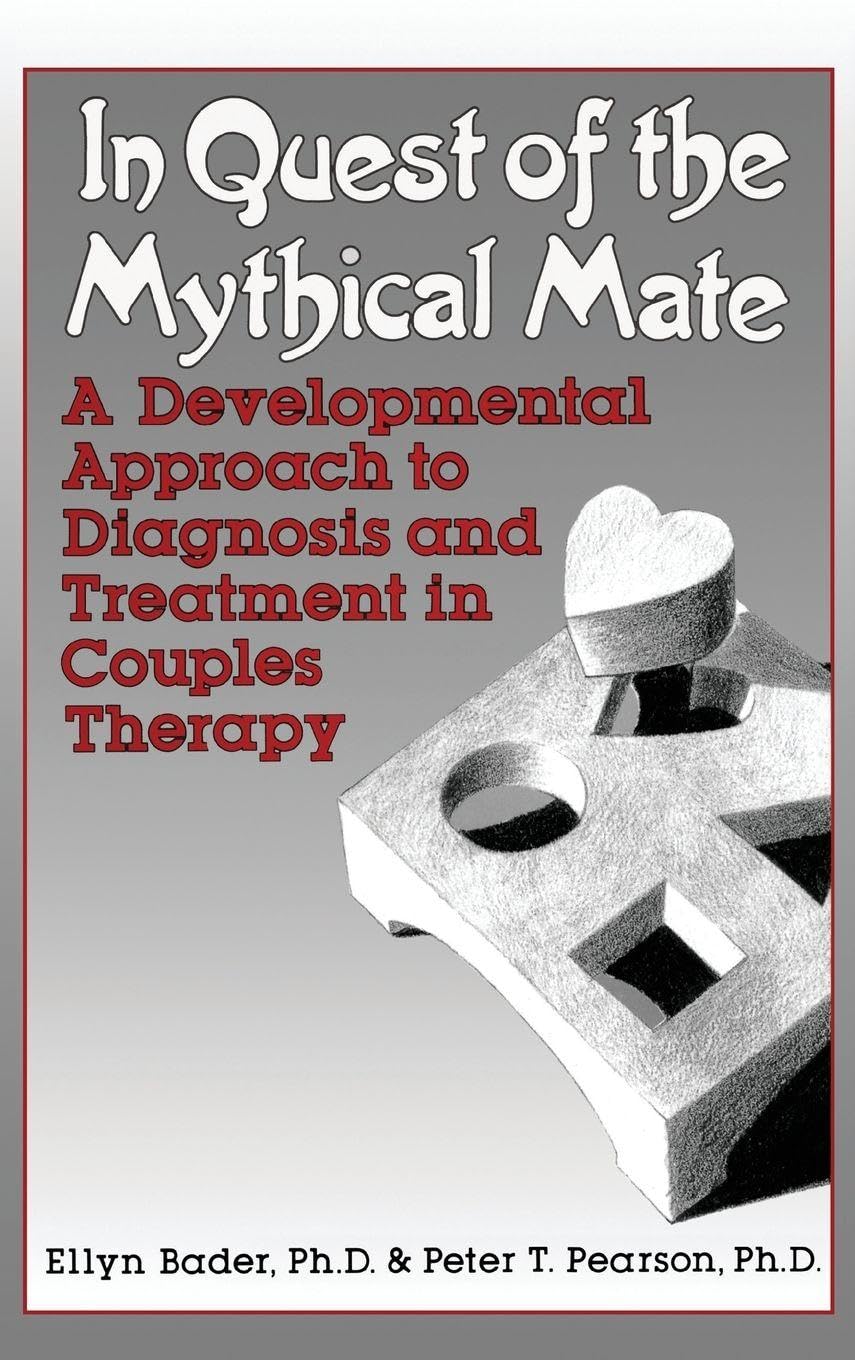
In Quest of the Mythical Mate
This is one of those books that changed how I think about couples. Bader and Pearson draw on developmental psychology to map out the stages that couples move through, in much the same way that individuals develop from infancy into adulthood. The idea is that couples go through their own developmental journey: from the initial bonding and symbiosis of early love, through differentiation, where each person starts to reclaim their individuality, and ideally into a mature interdependence.
What I find so useful about this model is that it normalises the difficulty. So many couples come to therapy in that differentiation stage, the point where the honeymoon is over and differences start to feel like threats rather than curiosities. They think something has gone wrong. Bader and Pearson show that this is not the relationship failing. It is the relationship growing. The problem is not that you are different from your partner. The problem is when one or both of you cannot tolerate those differences.
The “mythical mate” of the title is the fantasy we all carry into relationships. The idea that somewhere out there is a person who will complete us, who will never disappoint us, who will always understand. When that fantasy meets reality, as it always does, couples either grow through it or get stuck. This book helps therapists, and couples, understand where they are stuck and what the next step looks like.
It is more of a clinical text than a self-help book, so I tend to recommend it to fellow practitioners and supervisees rather than directly to clients. But the ideas behind it inform so much of what I do in the room.
Who would I recommend this to?
Therapists and trainees working with couples. It is also worth reading if you are someone who finds yourself repeating the same relationship patterns and wants to understand why from a developmental perspective.
When is a good time to read it?
When you are ready to think about relationships as something that evolves, not something that should just work from day one. For therapists, read it early in your couples work training. It will shape how you see every couple that walks through your door.
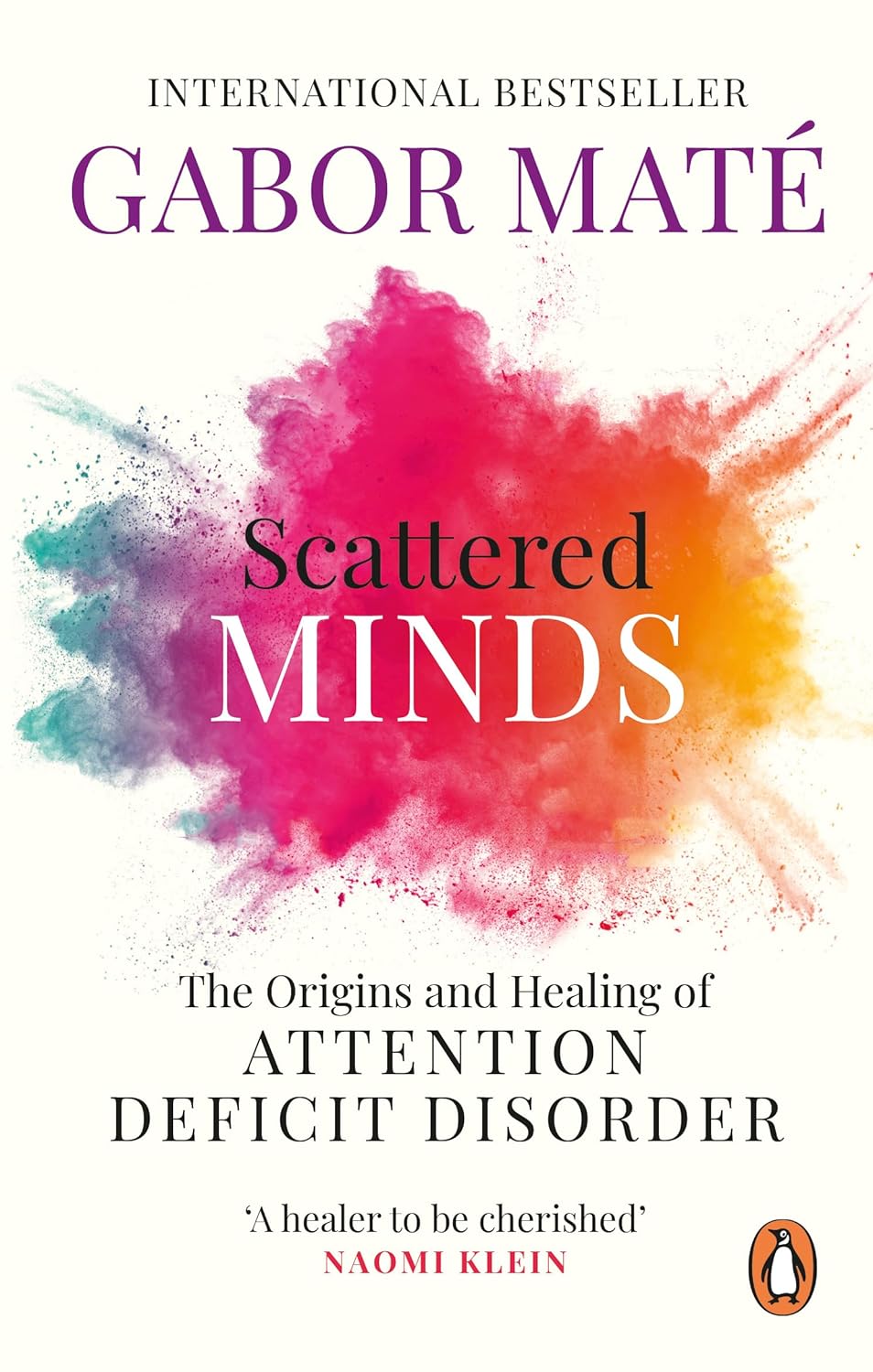
Scattered Minds
This is one of those books that reframes everything you thought you knew about ADHD. Gabor Maté does not treat attention deficit disorder as a simple checklist of symptoms or a genetic inevitability. He places it firmly in the context of early relationships, attachment, and the emotional environment a child grows up in. For me, that is what makes this book so important.
In my work, I meet with people who believe there is something fundamentally wrong with them. They cannot focus. They cannot finish things. They start projects with huge enthusiasm and abandon them weeks later. Their relationships suffer because they are emotionally reactive, or they shut down, or they cannot manage their time. Some have been diagnosed. Many have not.
During my time working in schools, I would complete early assessments of ADHD and ASC. What I learned was that often the symptoms could be explained by environmental factors or by the histories that families would share with me. Not always, of course, but often. Gabor Maté looks at exactly these ideas in this book.
He is very clear that this is not about blaming parents. Parents are flawed people doing their best in difficult circumstances, often repeating patterns they inherited from their own upbringing. But he makes a compelling case that the stress a child experiences in the womb and in their earliest years, the quality of attachment with their primary caregivers, and the emotional climate of the home all play a significant role in how the brain develops. Specifically, how the prefrontal cortex and orbitofrontal cortex wire themselves for attention, impulse control, and emotional regulation.
What I find particularly useful in my practice is his explanation of why people with ADHD struggle with self-regulation. It is not laziness. It is not a lack of willpower. It is a brain that did not get the conditions it needed to develop those capacities fully. When you understand that, everything shifts. The shame starts to lift. The self-criticism starts to make less sense. And you can begin working with yourself rather than against yourself.
He also writes honestly about the adult experience of ADHD. The low self-esteem. The perfectionism that masks a deep fear of failure. The addictive behaviours. The pattern of seeking out relationships that feel familiar, even when they are unhealthy. I recognise these patterns in my therapy room constantly. They are not character flaws. They are survival strategies that made sense once but have outlived their usefulness.
What I appreciate most is that Maté does not promise a cure. He talks about learning to live with ADHD and manage it, about becoming your own parent in adulthood, about recognising the critical voice inside you and understanding where it came from. That is real, honest, therapeutic work.
Who would I recommend this to?
Anyone who has been diagnosed with ADHD or suspects they might have it. Parents who are raising children with attention difficulties and want to understand what is happening beneath the behaviour. And therapists working with clients who present with ADHD symptoms, because this book will change how you think about what you are seeing. It is also a powerful read for anyone interested in how early attachment shapes who we become.
When is a good time to read it?
When you are tired of quick fixes and want to understand the deeper picture. It sits well alongside therapy, particularly if you are exploring attachment, childhood experiences, or patterns of self-sabotage. If you have ever felt like your brain is working against you and you do not know why, this book will help you make sense of it. And if you are a parent feeling overwhelmed and guilty, read it with compassion for yourself. That is exactly what Maté would want.
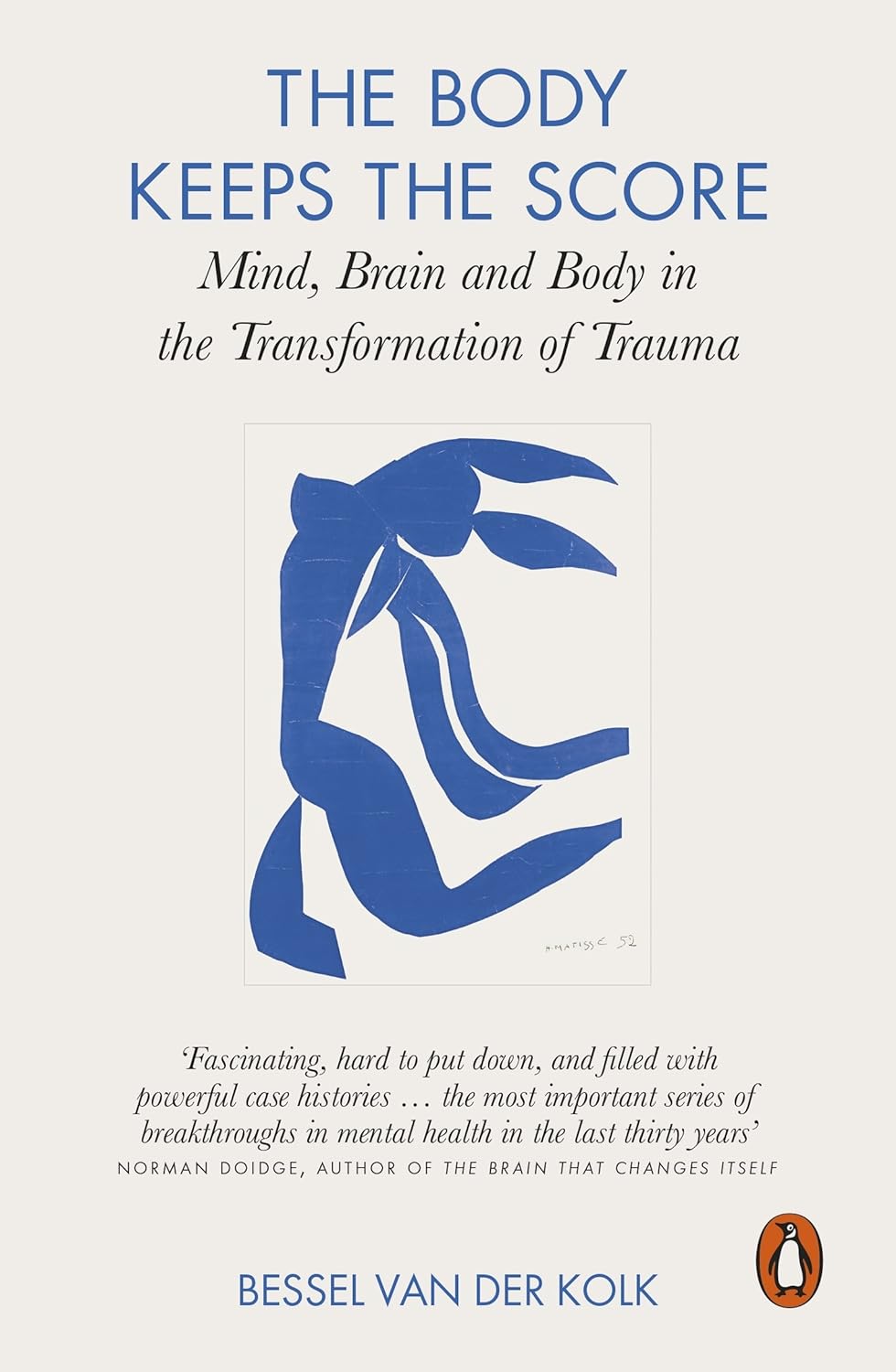
The Body Keeps the Score
This is probably the book I recommend more than any other. If you work with people, if you are a parent, if you have ever wondered why someone you care about reacts the way they do, this book will change how you understand them. It changed how I understand my clients.
Van der Kolk’s central argument is simple but powerful: trauma is not just something that lives in the mind. It lives in the body. It shapes how we breathe, how we move, how we sleep, how we react to a touch or a tone of voice. Long after the event is over, the body keeps responding as though it is still happening. That is what makes trauma so difficult to talk your way out of. You can understand what happened to you intellectually and still flinch when someone raises their voice.
What I find most important about this book is what he says about children. A child’s brain is still developing. When trauma happens early, it does not just create a painful memory. It shapes the architecture of the brain itself. How the child learns to regulate emotions, how they relate to other people, how they see the world. I see this in my work all the time. Adults who have carried something since childhood that they cannot quite name, but it shows up in everything. In their relationships, in their reactions, in the way they hold themselves.
He is honest about how difficult it is for traumatised people to trust. They often lose connection with the people who love them because trust itself feels dangerous. Some find that the only people they can be around are others who have been through the same thing. And some, as van der Kolk describes with great sensitivity, find themselves drawn back to situations that mirror their original trauma, not because they want to suffer, but because it is what their nervous system knows.
The neuroscience in this book is accessible without being oversimplified. He explains how traumatic memories are stored differently from ordinary ones. How the brain’s alarm system can get stuck in the “on” position. How Broca’s area, the part of the brain responsible for speech, can shut down during a flashback, leaving someone literally unable to put their experience into words. That is something I think every therapist needs to understand. When a client goes silent, it is not resistance. It is the trauma doing exactly what trauma does.
What sets this book apart from so many others is that van der Kolk does not stop at diagnosis. He takes you through what actually helps. Talk therapy has its place, but he is clear that it is not always enough on its own. He writes about yoga, about neurofeedback, about EMDR, about theatre and movement. The thread running through all of it is the same: healing from trauma requires reconnecting with the body, not just the story.
I have seen this in practice. Clients who have spent years talking about what happened to them but have never been asked to notice what is happening in their body right now. When that shift happens, when someone starts to feel safe enough to be present in their own skin, that is when things really begin to change.
Who would I recommend this to?
Everyone. I mean that. If you are a therapist, this should be on your shelf. If you are a teacher, a social worker, a foster carer, or anyone who works with people who have been through difficult things, read it. If you are someone who has experienced trauma yourself and wants to understand why your body still reacts the way it does, this book will make you feel less alone. And if you are a parent, it will remind you how much your presence and emotional availability matter.
When is a good time to read it?
When you are ready to go deeper. This is not a light read, and it is not meant to be. It asks you to sit with some uncomfortable truths about what trauma does to people and how little attention we have paid to it as a society. But it is also full of hope. Van der Kolk’s message is clear: the body keeps the score, but it can also learn a new way of keeping it. Read it when you are ready to understand not just what happened, but what it did, and what can be done about it.
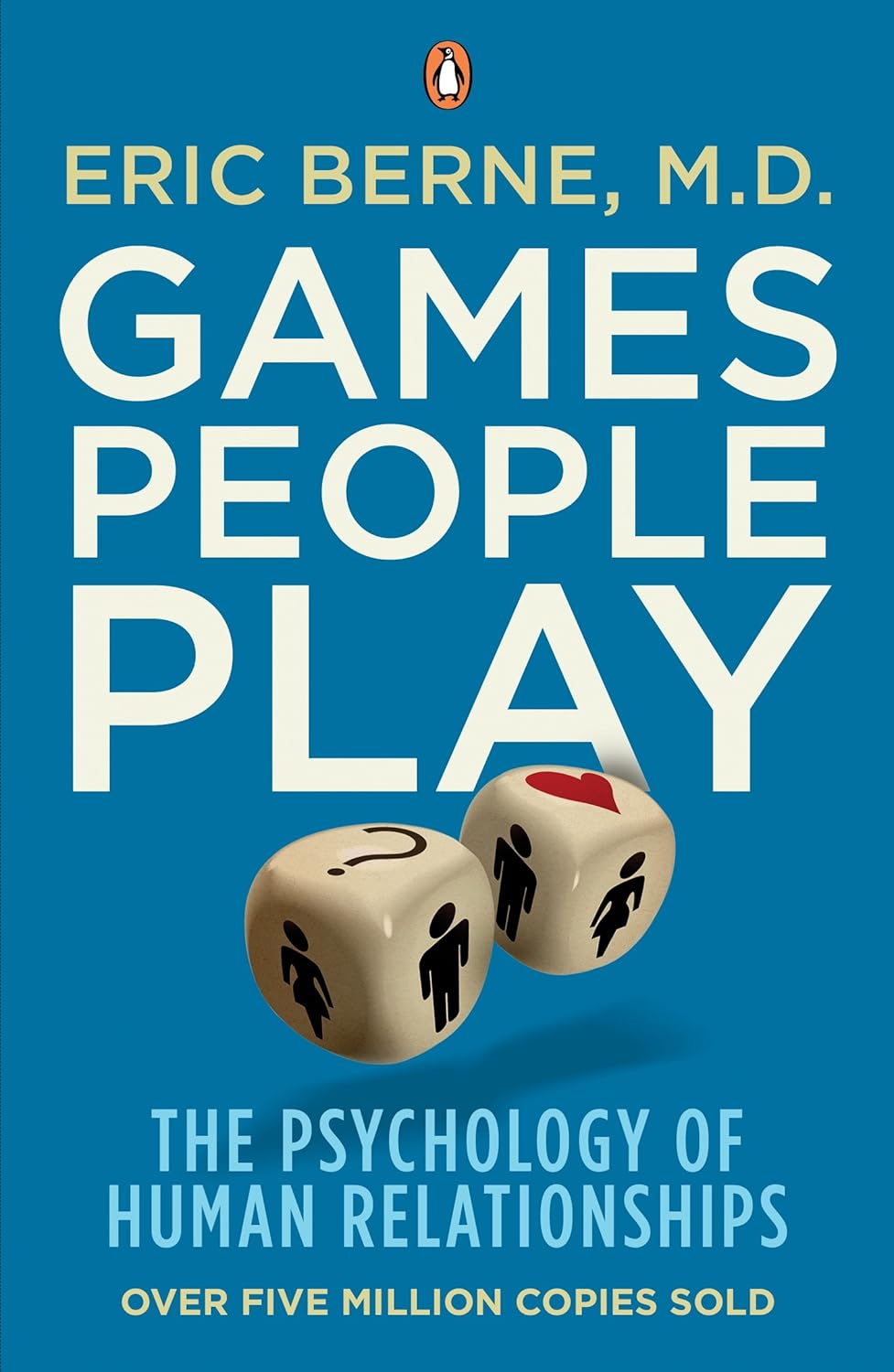
Games People Play
The language in this book does not feel particularly connective to me. It is not the warmest read. But the theory behind it is fascinating, and that is why it earns its place on my list.
Berne’s central idea is that we all operate from three ego states: Parent, Adult, and Child. The Parent state is what we absorbed from the authority figures in our lives. The Adult is our rational, objective self. And the Child is the part of us that carries our earliest feelings, our curiosity, our creativity, and also our fears. We move between these states constantly, often without realising it. Understanding which state you are operating from, and which state the person in front of you is in, can explain a huge amount about why conversations go the way they do.
What makes this book so useful in my work is the idea of “games.” Not the fun kind. Berne uses the word to describe the hidden patterns people play out in their relationships, interactions with ulterior motives that neither person is fully conscious of. The wife who complains her husband will not let her do something, when really she is afraid to do it herself. The colleague who sets you up to fail and then acts surprised. The therapist who keeps offering advice that does not work because, on some level, they need the client to stay stuck. These are not rare examples.
What Berne does well is name the patterns. Once you can see the game, you can stop playing it. That is where the real value of this book lies. It gives you a framework for recognising what is actually going on beneath the surface of an interaction, and it gives you a choice about whether to keep participating.
He also writes about what it takes to stop playing games altogether. He calls it autonomy, and it involves three things: awareness, which is the ability to be fully present rather than operating on autopilot; spontaneity, which is the freedom to move between ego states rather than being stuck in one; and intimacy, which is the willingness to be genuine with another person without hiding behind a role. That last one is the hardest for most people, and it is the one I find myself coming back to most often in my work.
The book’s age shows in places, and some of the examples feel dated. But the core ideas are as relevant now as they were when Berne first wrote them. People are still playing the same games. They are still afraid of intimacy. They are still hiding behind patterns they learned in childhood. And they are still surprised when those patterns stop working.
Who would I recommend this to?
Therapists and trainees who want a solid grounding in transactional analysis. It is also a genuinely interesting read for anyone who has ever walked away from a conversation feeling like something just happened but they cannot quite put their finger on what. If you find yourself in the same dynamic with the same person over and over again, this book will help you see the pattern.
When is a good time to read it?
When you are curious about why people behave the way they do, including yourself. It pairs well with therapy, particularly if you are exploring relational patterns or finding it hard to be honest in your relationships. Just be prepared: the writing style is more academic than personal. Stick with it for the theory. It is worth it.